49 Results for "

Aristolochia debilis Siebold & Zucc.

" in MedChemExpress (MCE) Product Catalog:
Products (49)

49 Results for "Aristolochia debilis Siebold & Zucc." in MCE Product Catalog:

10
10 Publications Verification
Cat. No.: HY-N0510
CAS No.: 313-67-7
Synonyms: Aristolochic acid I; TR 1736
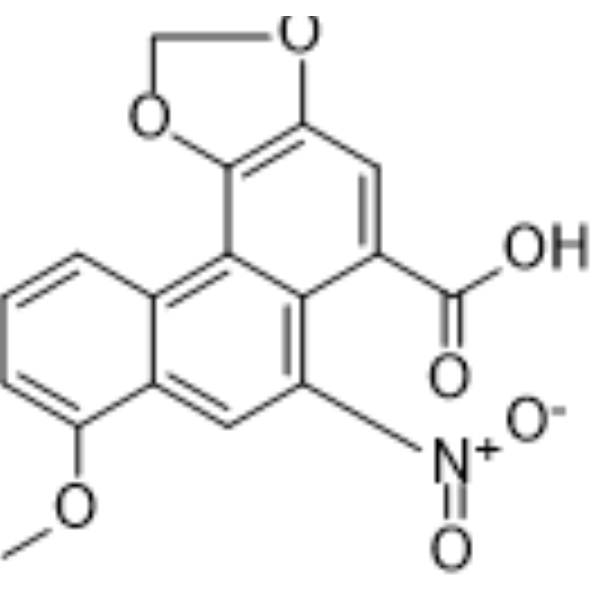
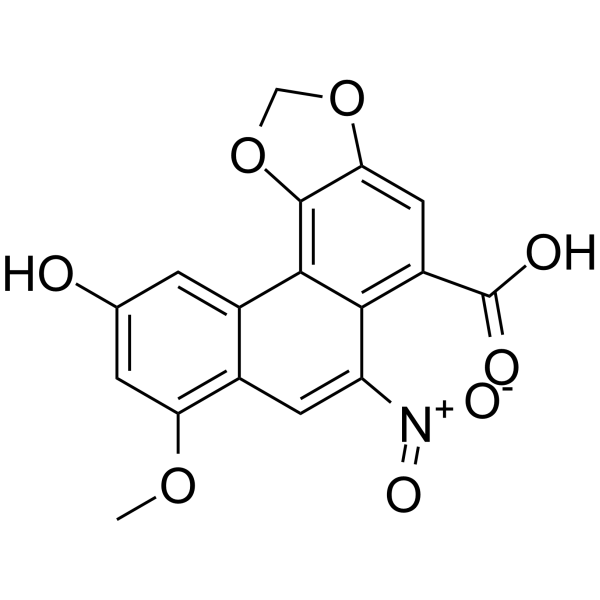
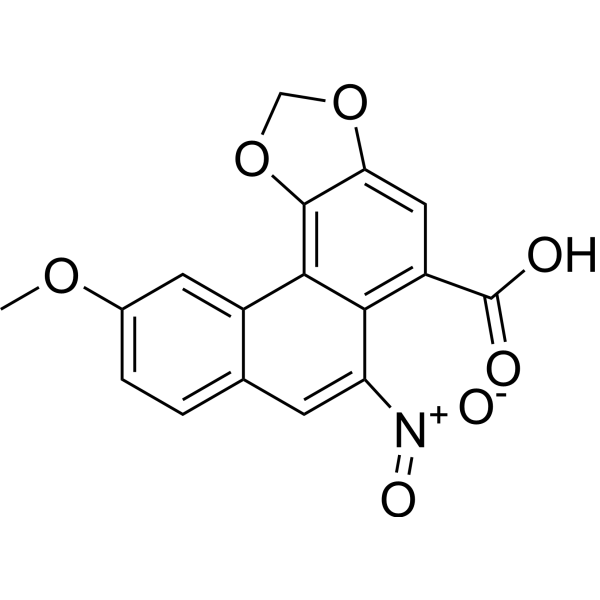
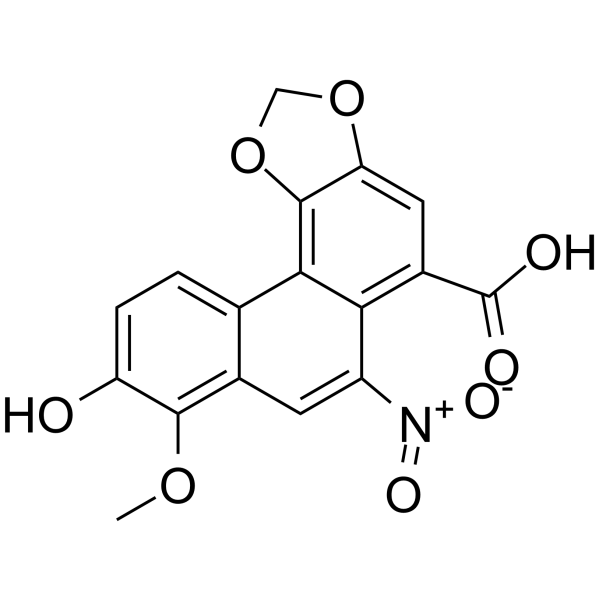
Aristolochic acid A (Aristolochic acid I; TR 1736) is the main component of plant extract Aristolochic acids, which are found in various herbal plants of genus Aristolochia and Asarum. Aristolochic acid A significantly reduces both activator protein 1 (AP-1) and NF-κB activities. Aristolochic acid A reduces BLCAP gene expression in human cell lines .
10
10 Publications Verification
Cat. No.: HY-N0510A
CAS No.: 10190-99-5
Synonyms: Aristolochic acid I sodium; TR 1736 sodium
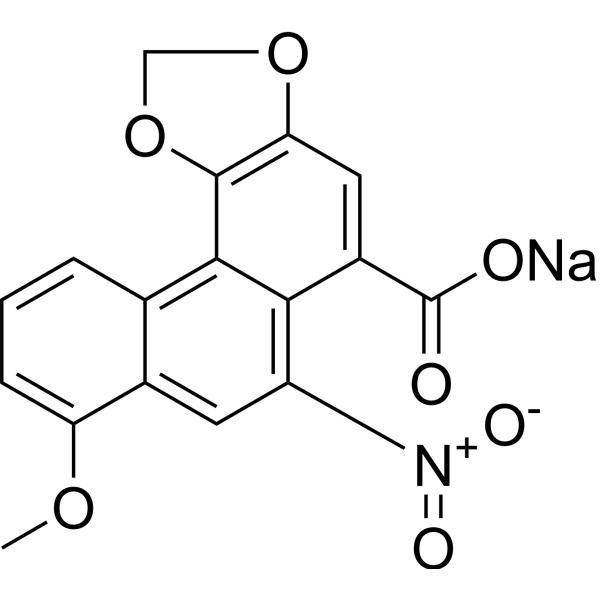
Aristolochic acid A (Aristolochic acid I) sodium is the main component of plant extract Aristolochic acids, which are found in various herbal plants of genus Aristolochia and Asarum. Aristolochic acid A sodium significantly reduces both activator protein 1 (AP-1) and NF-κB activities. Aristolochic acid A sodium reduces BLCAP gene expression in human cell lines .
6
6 Cited Publications
Cat. No.: HY-N0263
CAS No.: 58812-37-6
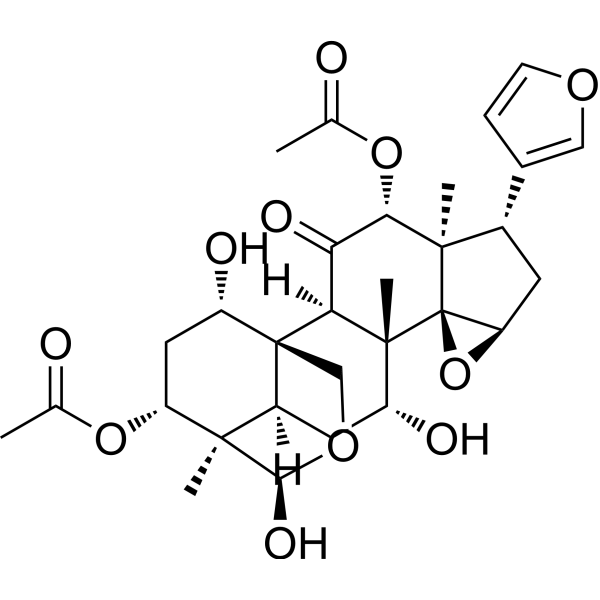
Toosendanin, a triterpenoid extracted from the bark of fruit of Melia toosendan Sieb. et Zucc., possesses analgesic, insecticidal and anti-inflammatory activities .
6
6 Cited Publications
Cat. No.: HY-N0631
CAS No.: 131189-57-6
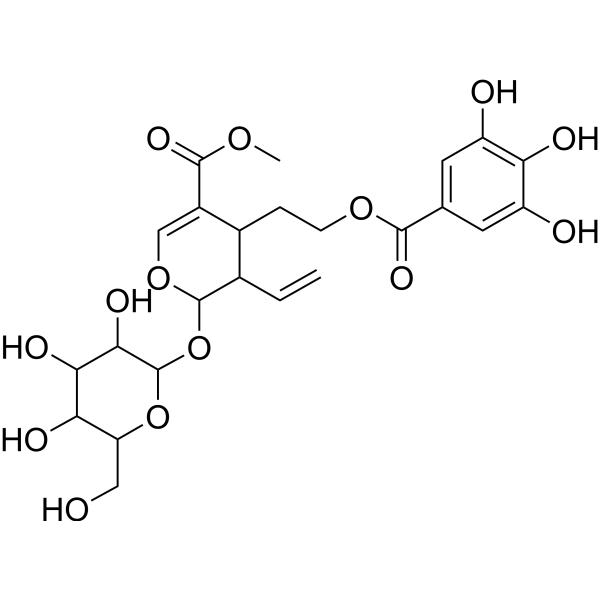
Cornuside is an iridoid glycoside with anti-allergic, anti-inflammatory, and neuroprotective activities. Cornuside exerts anti-allergic activity by downregulating the p38 MAPK, JNK, and NF-κB signaling pathways, and inhibits IgE-mediated histamine release from mast cells. Cornuside improves cognitive impairment in mice by inhibiting BACE1 activity (IC50 = 55.84 μg/mL) and enhancing ChAT activity. Cornuside inhibits LPS (HY-D1056)-induced inflammatory mediators, including iNOS, COX-2, PGE2, TNF-α, IL-6, and IL-1β, by suppressing NF-κB activation .
1
1 Cited Publications
Cat. No.: HY-N2013
CAS No.: 13395-02-3
Synonyms: Aristololactam; Aristolactam
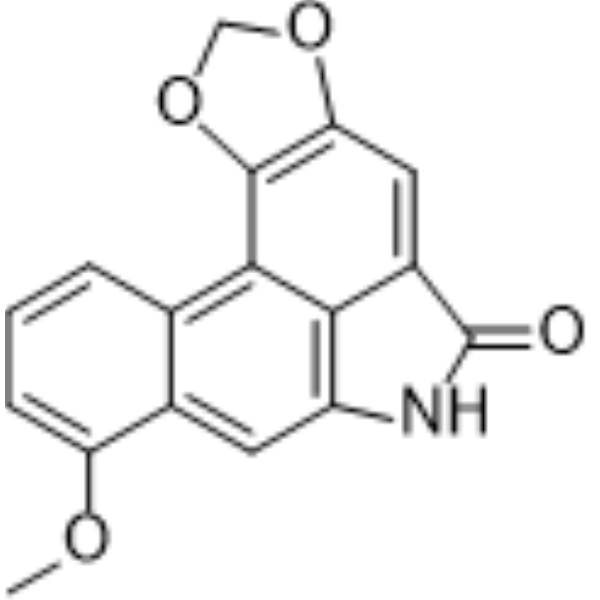
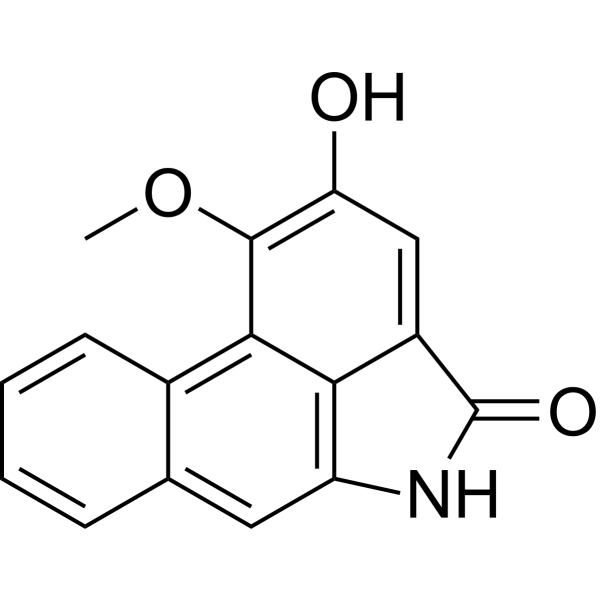
Aristolactam I is an AQP1 inhibitor and Aristolochic acid I metabolite. Aristolactam I can be isolated from Aristolochia plants. Aristolactam I downregulates Twist1 expression, increases E-cadherin expression, and activates the TGF-β/Smad signaling pathway. Aristolactam I has anticancer activity against breast cancer. Aristolactam I is nephrotoxic. Aristolactam I is mainly used in the study of breast cancer and kidney diseases such as renal interstitial fibrosis .
1
1 Cited Publications
Cat. No.: HY-N5112B
CAS No.: 24502-79-2
Synonyms: Isoarnebin I
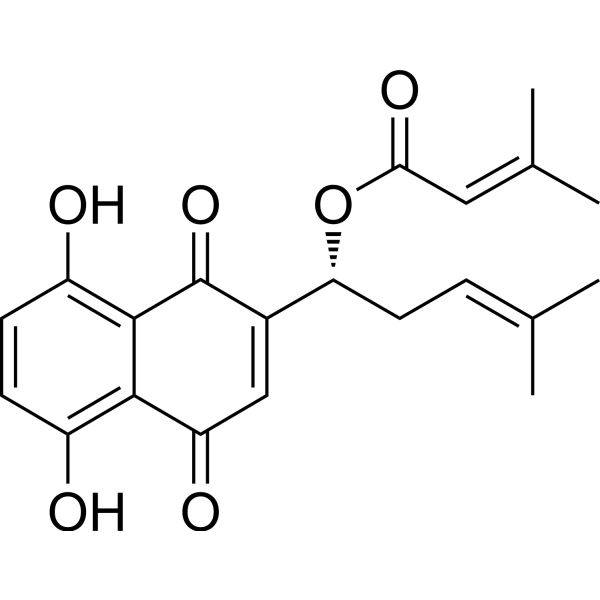
β,β-Dimethylacrylshikonin (Isoarnebin I) is a naphthoquinone derivative that can be isolated from Lithospermum erythrorhizon Sieb. et Zucc. β,β-Dimethylacrylshikonin promotes angiogenesis by inducing eNOS, VEGF and HIF-1α expression through the PI3K-dependent pathway. β,β-Dimethylacrylshikonin inhibits Notch-1 activation. β,β-Dimethylacrylshikonin inhibtis tumor cell proliferation, induces tumor cell apoptosis, and inhibits tumor growth .
1
1 Cited Publications
Cat. No.: HY-N2394
CAS No.: 38840-23-2
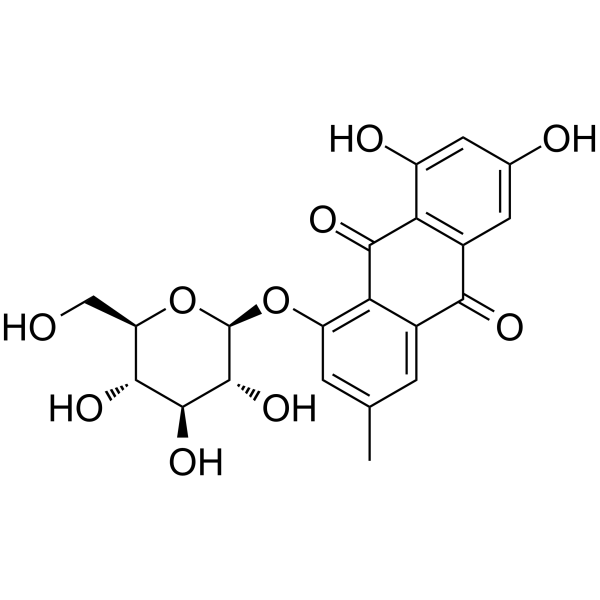
Emodin-1-O-β-D-glucopyranoside, isolated from medicinal plant Polygonum cuspidatum Sieb. & Zucc, is a potent and noncompetitive bacterial neuraminidase (BNA) inhibitor with an IC50 of 0.85 μM .
Cat. No.: HY-N0120
CAS No.: 65914-17-2
Synonyms: (E/Z)-Piceid
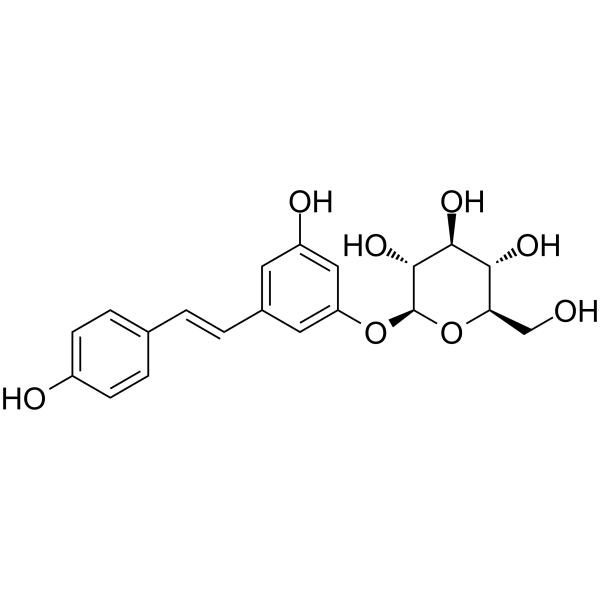
(E/Z)-Polydatin ((E/Z)-Piceid) is a mixture of the E/Z configurations of Polydatin (HY-N0120A). Polydatin can be isolated from Polygonum cuspidatum, grapes, peanuts, red wine, hop pellets, cocoa-containing products and chocolate products. Polydatin exhibits multiple biological properties, such as anti-platelet aggregation, anti-low-density lipoprotein oxidation, cardioprotective activity, anti-inflammatory and immunomodulatory functions. Polydatin shows favorable cytotoxic effects against various tumor cell lines, including cervical cancer cells, liver cancer cells, and nasopharyngeal carcinoma cells .
Cat. No.: HY-N1205
CAS No.: 6750-60-3
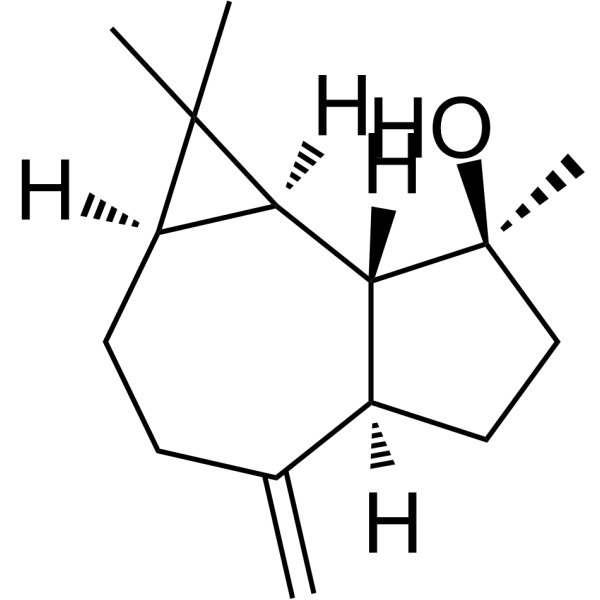
Spathulenol is isolated from Aristolochia yunnanensis, and has antioxidant, anti-inflammatory, antiproliferative and antimycobacterial activities. Spathulenol shows a high antioxidant activity with an IC50 of 85.60 μg/mL in the DPPH system [1].
Cat. No.: HY-N1465
CAS No.: 17413-38-6
Synonyms: Aristolochic acid-IVa
Aristolochic acid D (Aristolochic acid-IVa) is an orally active PDE2 (IC50: 4.673 μM) and CDK2 (IC50: 25 μM) inhibitor that can be isolated from Aristolochia indica L. Aristolochic acid D exhibits anti-inflammatory activity and is non-carcinogenic and non-nephrotoxic. Aristolochic acid D can be used in the research of inflammation and tumor-related diseases .
Cat. No.: HY-N1464A
CAS No.: 25274-27-5
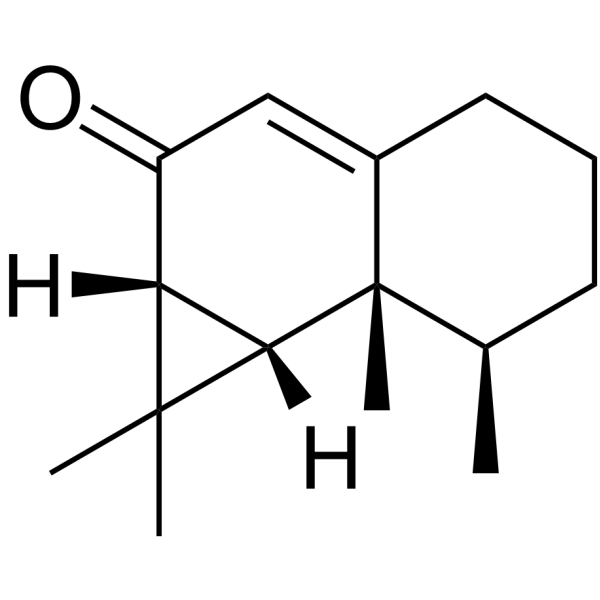
Aristolone is a sesquiterpene that can be isolated from Aristolochia debilis, Rosmarinus officinalis and Ficus Auriculata. Aristolone in Ara Fruit can be used as a prediction of apoptosis in HeLa cells. Aristolone inhibits the C1 complement component. Aristolone produces cytotoxicity effects on cells. Aristolone has anticancer properties and can be studied in research for cervical cancer .
Cat. No.: HY-N1391
CAS No.: 78432-77-6
Synonyms: 10-Deacetylpaclitaxel
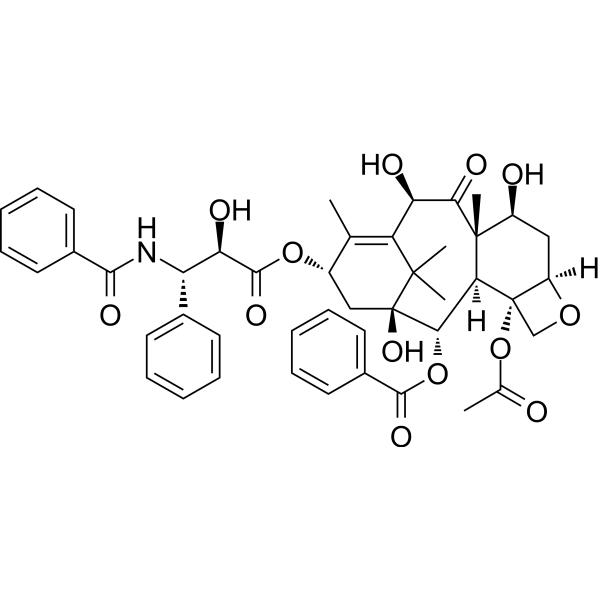
10-Deacetyltaxol (10-Deacetylpaclitaxel) is a taxane derivative isolated from Taxus wallichiana Zucc . 10-Deacetyltaxol (10-Deacetylpaclitaxel) promotes the polymerization of tubulin and to inhibit the depolymerization of microtubules induced by cold or by calcium ions in vitro . 10-Deacetyltaxol (10-Deacetylpaclitaxel) exhibits cytotoxicity in human glial and neuroblastoma cell-lines .
Cat. No.: HY-142026
CAS No.: 142449-89-6
Synonyms: (+)-Vitisin A
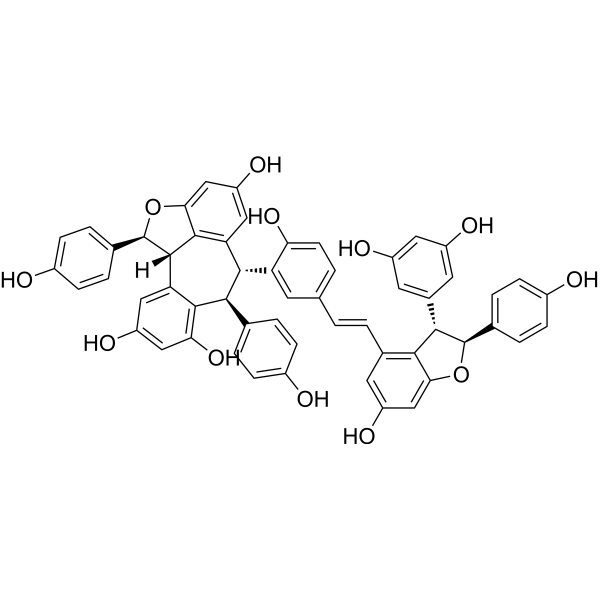
Vitisin A ((+)-Vitisin A) is an orally active natural product with multiple pharmacological activities including anti-inflammatory, anti-tumor, anti-oxidant, anti-pathogenic microorganism, hypoglycemic and lipid-regulating, anti-osteoporotic, neuroprotective and cardiovascular protective effects. Vitisin A exhibits inhibitory effects on human AChE and MAO-B with IC50 values of 1.29 µM and 4.94 µM, respectively. Vitisin A inhibits the ERK, MAPK, NF-κB, STAT1, HMGCR and TRAF6 pathways, downregulates the related phosphorylation and protein expression, while activates the Nrf2/HO-1 pathway and upregulates p21 expression. Vitisin A induces tumor cell apoptosis and cell cycle arrest, inhibits adipogenesis and lipid accumulation, while alleviates oxidative stress, suppresses inflammatory responses, blocks hepatic fibrosis, Cuproptosis and cholesterol synthesis, and increases the expression levels of central BDNF and TrkB. Vitisin A can be used in the research of tumors, infectious diseases, metabolic diseases, bone and joint diseases, liver diseases, skin injuries, as well as neurodegenerative and cognitive dysfunction-related diseases .
Cat. No.: HY-N7272
CAS No.: 13020-19-4
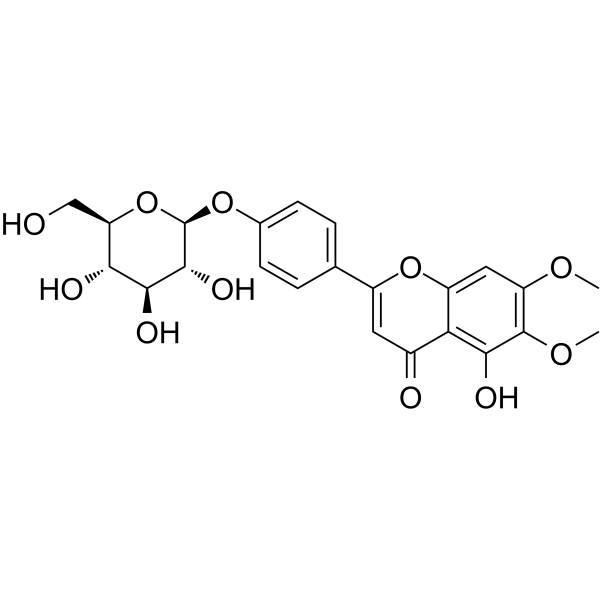
Cirsimarin is a potent antilipogenic flavonoid isolated from Microtea debilis. Cirsimarin exerts potent antilipogenic effect and decreases adipose tissue deposition in mice. The lipolytic activity of Cirsimarin resulting from both its antagonist activity on adenosin A1 receptor and its inhibitory effect on phosphodiesterase .
Cat. No.: HY-N2247
CAS No.: 36531-08-5
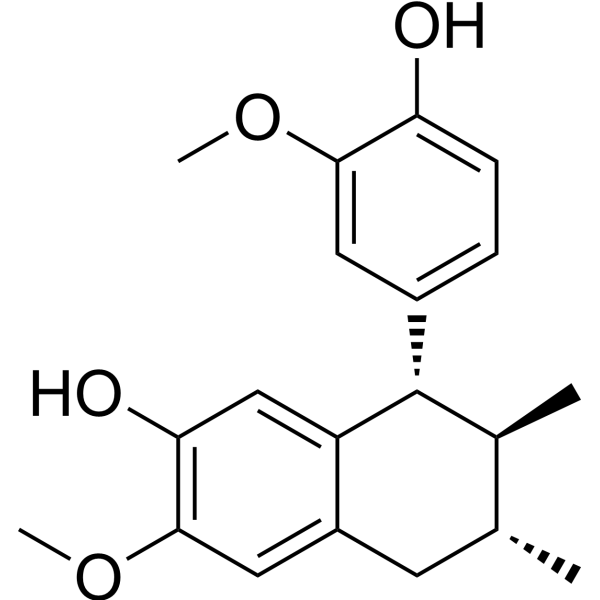
Guaiacin is a arylnaphthalene type lignin isolated from the barks of Machilus thunbergii SIEB. et ZUCC (Lauraceae). Guaiacin significantly increases alkaline phosphatase activity and osteoblast differentiation .
Cat. No.: HY-N7951
CAS No.: 7267-92-7
Aristolochic acid III is a natural product that can be isolated from the leaves of Aristolochia debilis .
Cat. No.: HY-N2012
CAS No.: 79185-75-4
7-Hydroxyaristolochic acid A is an aristolochic acid analogue found in Aristolochia plants. Aristolochic acid can be used as an anti-inflammatory agent .
Cat. No.: HY-N2891
CAS No.: 53948-07-5
Synonyms: Aristololactam A II
Aristolactam A II (Aristololactam A II) is a weak COX inhibitor with cytotoxic and anti-plasmodial activities. Aristolactam A II exhibits inhibitory activity against Chloroquine (HY-17589A)-sensitive strains, and exerts its inhibitory effect on Plasmodium falciparum growth by inducing cell membrane damage marked by LDH release. Aristolactam A II can be applied to the research of malaria-related mechanisms .
Cat. No.: HY-N8292
CAS No.: 127191-86-0
7-(2'-Deoxyadenosin-N6-yl)aristolactam I is a Alkaloids product that can be isolated from the herbs of Aristolochia debilis Sieb. et Zucc .
Cat. No.: HY-W127616A
CAS No.: 915-05-9
Synonyms: Sitosteryl acetate, 95%
β-Sitosterol acetate, 95% (Sitosteryl acetate, 95%) is a sterol that can be isolated from Hechtia glomerata Zucc., which has antibacterial activity and has a MIC value of 100µg/mL against carbapenem-resistant Acinetobacter baumannii .

